
Category Archives: Construction Worker Injury

Is There an Exception to the “No Fault” Workers’ Compensation Rule for Construction Work Injuries?
Construction work, and the various types of jobs that workers perform within the construction industry, is notably dangerous. Indeed, studies often discuss the high rate of life-altering and fatal workplace accidents on construction sites and in construction areas, and the Occupational Safety and Health Administration (OSHA) reports on the “fatal four” of construction work,… Read More »

Asphalt Layers and Construction Work Injuries
Construction work in Maryland is among the most hazardous work that a person can be involved in, whether you are working as a roofer in construction, in trench and excavation work, in renovation and demolition, or in road construction. In many ways, road construction work poses some of the greatest injury risks to workers… Read More »

Construction Industry Work and the “Fatal Four”
Many industries are frequently cited at the top of “dangerous” and “hazardous” lists for jobs in America. Routinely, construction work ranks as some of the most dangerous work in Maryland and across the country. In particular, there are a few specific types of hazards that put many construction workers at risk of fatal injuries… Read More »
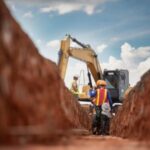
What Are Excavator Work Injuries?
In certain types of construction work, trenching and excavation are necessary to complete the job. According to the Occupational Safety and Health Administration (OSHA), trenching and excavation work are two of the most dangerous types of jobs that exist in the already dangerous construction industry. Excavation and trenching work are related but different from… Read More »

How Fatigue Plays a Role in Construction Work Injuries
The construction industry is considered “high hazard,” according to the Occupational Safety and Health Administration (OSHA), due to the various types of tasks, materials, and equipment that are associated with it. OSHA cites risks such as “falling from rooftops, unguarded machinery, being struck by heavy construction equipment, electrocutions, silica dust, and asbestos” as hazard… Read More »
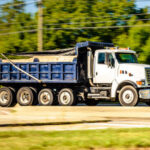
Dump Truck Operator Injuries
Heavy machinery operators on construction sites, as well as construction workers whose jobs require work to be done around heavy machinery, are at significant risk of a debilitating or deadly injury. Dump trucks can be especially hazardous and are routinely responsible for dozens of deaths on construction sites every year. According to the National… Read More »

Construction Injuries Involving Backhoes
Certain types of construction work, particularly those that require any type of excavation on site, may include the use of backhoes. Backhoes are a specific type of excavator — a common type of heavy machine that is used in various types of construction projects. Generally speaking, backhoes are used for specific kinds of excavation… Read More »

Forklift Injuries in Warehouses and on Construction Sites
Did you know that one in every six workplace deaths involves a forklift? That data comes from the Occupational Safety and Health Administration (OSHA), which also reports that “70 percent of forklift accidents are preventable with standard safety measures.” Forklifts are used in various industries that require transporting heavy loads, but they are especially… Read More »

Bulldozer Operator Injuries
Heavy equipment operators on construction sites and in other types of work are often at greater risk of serious or fatal injury than workers in other industries. There are many different types of heavy equipment that must be operated on construction sizes, in excavation areas, and on demolition sites. Bulldozers are a commonly used… Read More »

Heat Injuries Among Construction Workers
Construction work poses serious injury risks to workers at all times of the year due to hazards associated with scaffolding, cranes, trenching, heavy machinery, and much more. Yet the summer months in Maryland can be particularly dangerous for construction workers due to the possibility of extremely high temperatures and heat-related injuries. Construction does not… Read More »